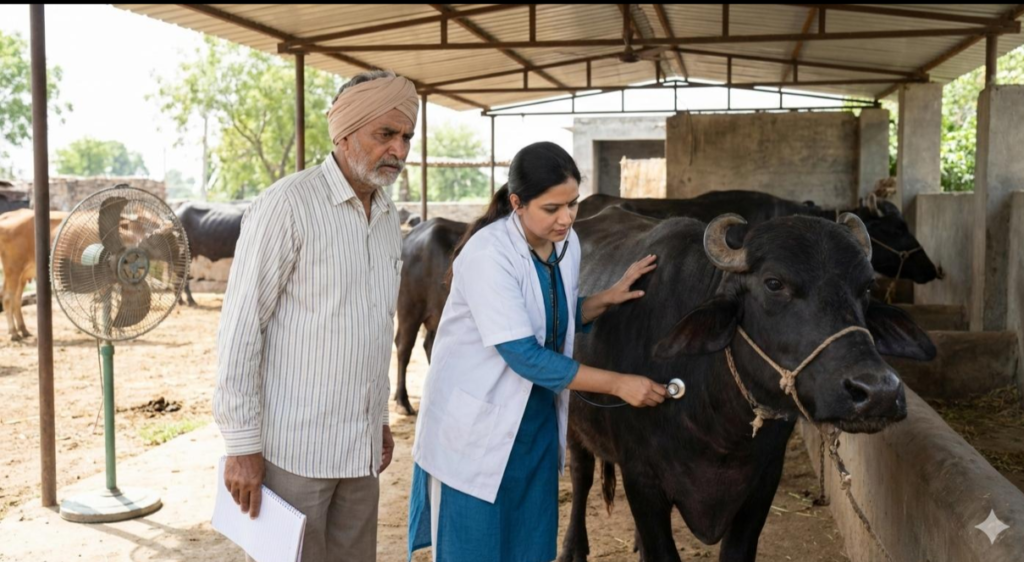
Haemorrhagic Septicaemia (HS): Galghotu Disease in Cows and Buffaloes
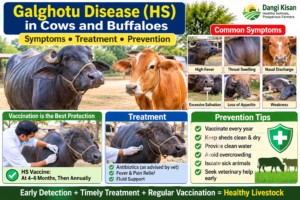
1. What is Galghotu Disease?
Haemorrhagic Septicaemia is an acute bacterial infection caused by Pasteurella multocida, particularly serotypes B:2 and E:2.
Animals commonly affected:
- Cows
- Buffaloes
- Calves and young cattle
- Occasionally, sheep and goats
The infection can spread through respiratory droplets, oral and nasal secretions, and contaminated feed or drinking water.
Buffaloes are particularly susceptible. Stress, overcrowding, poor nutrition and wet weather can increase disease risk.
2. Eight Major Symptoms of Galghotu
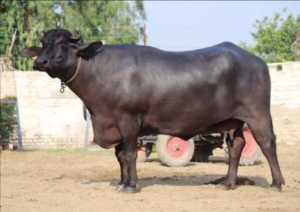
Farmers should watch for these warning signs:
Sudden high fever.
Swelling around the throat and neck.
Difficulty breathing.
Excessive salivation.
Discharge from the nose.
Sudden loss of appetite.
A significant drop in milk production.
Severe weakness and sometimes diarrhoea.
Important: Fever combined with swelling around the throat and breathing difficulty is a major warning sign. Do not wait for all symptoms to appear.
3. How Does the Disease Spread?
The infection may spread through:
Close contact with infected animals.
Respiratory droplets from coughing and breathing.
Contaminated drinking water.
Contaminated feed and equipment.
Saliva and nasal secretions.
During outbreaks, infected animals should be isolated immediately.
4. Veterinary Treatment of Galghotu
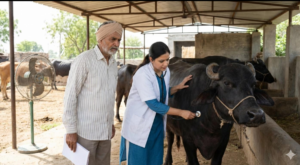
HS requires urgent veterinary treatment.
A veterinarian may recommend:
Treatment Purpose
Appropriate antibiotics Control bacterial infection
Anti-inflammatory medicines Manage inflammation and fever
Fluid therapy Correct dehydration
Supportive treatment Maintain hydration and general condition
Close monitoring Track breathing, temperature and recovery
Critical treatment advice:
Treatment is most effective when started very early.
Antibiotics must be selected by a qualified veterinarian.
Do not give random injections or human medicines.
Do not delay treatment while trying home remedies.
The disease can progress so quickly that treatment may fail if started late.
5. HS Vaccination Schedule for Cows and Buffaloes
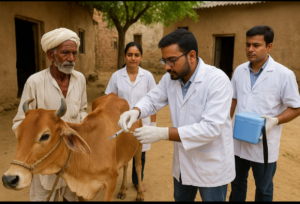
Vaccination is the most important preventive measure against Galghotu.
According to ICAR’s livestock vaccine guidance:
Vaccination detail Recommendation
First vaccination 4–6 months of age
Vaccine HS vaccine
Repeat vaccination Annually
Recommended timing 15–20 days before monsoon
The exact schedule can depend on the vaccine type and local government programme. Consult your local veterinary department for the correct schedule.
